Rudrabhishek at Mahakal Ujjain: Meaning, Types and Booking Guide
By Mahakal MP – Dharmik Tours & Travels Team · Ujjain ·
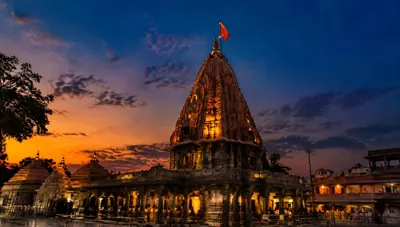

Rudrabhishek is one of the most powerful and beloved forms of Shiva worship, and performing it in Ujjain, the city of Mahakal, is a dream for many devotees. In a Rudrabhishek, the Shivling is bathed with sacred substances while Vedic mantras from the Rudram are chanted. Families perform it for health, peace, prosperity and spiritual progress, or to mark important moments in life. This guide explains the meaning of the ritual, its common forms, auspicious days and how we arrange it for you with a learned pandit.
What Is Rudrabhishek?
The word combines Rudra, a name of Shiva, and abhishek, the ritual bathing of a deity. During the pooja, the pandit chants mantras such as the Sri Rudram from the Yajurveda while water, milk, curd, ghee, honey, sugar and other offerings are poured over the Shivling. Each substance carries symbolic meaning – milk for purity, honey for sweetness in life, curd for prosperity and so on. The ritual ends with decoration of the linga, aarti and prasad.
Devotees believe this abhishek pleases Lord Shiva quickly and helps remove negativity. For many, it is also a deeply calming experience, with the rhythm of mantras and the fragrance of flowers and incense filling the space.
Why Perform Rudrabhishek in Ujjain?
Ujjain is home to Shri Mahakaleshwar, one of the twelve Jyotirlingas and the only one revered as Dakshinamukhi. Performing the ritual in the city of Baba Mahakal adds special significance. Ujjain also has a long tradition of Vedic scholars and pandits who perform poojas according to scriptural methods.
Arrangements for any ritual inside the Mahakaleshwar temple itself are governed by the temple management, which may have its own booking system and charges. Please check the official Shri Mahakaleshwar website for current temple services. We help you understand the options and arrange the ritual with a learned pandit as per the rules in force.
Common Types of Rudrabhishek
- Jalabhishek – offering of pure water, often with Ganga or Narmada jal.
- Dugdhabhishek – offering of milk, believed to bring peace and good health.
- Panchamrit abhishek – milk, curd, ghee, honey and sugar together.
- Laghu Rudra and Maha Rudra – larger rituals with many recitations of the Rudram and several pandits, usually planned well in advance.
The pandit will suggest the right form based on your wish and the time available.
Auspicious Days
Mondays are dedicated to Shiva and are the most popular days for this pooja. The month of Shravan, Mahashivratri, Pradosh vrat and Shivratri each month are considered especially favourable. Birthdays, anniversaries and the start of new ventures are also common occasions. On festival days, temples are very crowded, so book early and keep your schedule flexible.
What Happens During the Ritual
- Sankalp with the names and gotra of the family members.
- Ganesh pooja and invocation.
- Abhishek with water, milk and other substances while the Rudram is chanted.
- Shringar of the Shivling with sandal paste, bel patra, flowers and bhasma.
- Aarti, prayers and distribution of prasad.
The duration depends on the form of the pooja. A simple abhishek may take about an hour or two, while larger rituals can last much longer.
How We Arrange Rudrabhishek
Our pooja services include this abhishek by a learned pandit with complete samagri. We coordinate the date and time, arrange transport and pickup-drop, and plan your Mahakal darshan and other temples around the ritual.
Popular combinations with our packages:
- Mahakal + Kal Bhairav Special Darshan-Poojan – Mahakal darshan and poojan, Kal Bhairav poojan, prasad and pickup-drop in one day.
- Special Havan & Poojan Yatra – a premium two-day plan with Baglamukhi havan at Nalkheda.
- Ujjain – Omkareshwar Darshan Yatra – add a Rudrabhishek in Ujjain before visiting the second Jyotirlinga.
Rudrabhishek with Other Poojas
Families often combine it with a Kaal Sarp Dosh puja, a Mangal dosh puja at Mangalnath or a special poojan at the Kal Bhairav temple. Tell us your plans in advance and we will schedule everything comfortably over one or two days.
Preparing for the Pooja
- Wear clean traditional clothes; men often wear a dhoti-kurta and women a saree or suit.
- Arrive a little early and keep your phone on silent.
- Share the names of family members for the sankalp with the pandit beforehand.
- If you have specific wishes for offerings, tell us so the samagri can be arranged.
Rudrabhishek at Home vs in Ujjain
Many devotees perform this ritual at home on Mondays and festivals. Performing it in Ujjain, after darshan of Mahakal and in the presence of experienced pandits, is a special experience that families remember for years. If elderly parents have long wished to perform the pooja in Mahakal's city, a planned yatra makes it possible without stress.
The Meaning of the Offerings
Each substance used in the abhishek has a traditional meaning, and knowing them makes the ritual more personal:
- Water – purification and peace of mind.
- Milk – health, purity and long life.
- Curd – prosperity and harmony in the family.
- Ghee – strength and victory over obstacles.
- Honey – sweetness in speech and relationships.
- Sugar or jaggery – happiness and contentment.
- Bel patra – the leaf most dear to Shiva, offered with devotion.
Some families also offer sugarcane juice, coconut water or perfumed water for specific wishes. Your pandit will explain the significance as the pooja proceeds, so even children can follow what is happening.
Experiencing Ujjain After the Pooja
After the ritual, there is plenty to do in the city. Walk through the Mahakal Lok corridor, visit Harsiddhi and Bada Ganesh nearby, and end the day with the Shipra aarti at Ram Ghat. If you have an extra day, continue to Omkareshwar for darshan of the second Jyotirlinga of Madhya Pradesh.
Official Information
For temple services, see the official Shri Mahakaleshwar website. For information about Ujjain, visit the Ujjain district website.
Book Your Pooja with Mahakal MP
We are an Ujjain-based dharmik tours and travels team serving pilgrims since 2014. Our learned pandits perform poojas according to tradition, and we take care of rooms, transport and darshan. Call or WhatsApp 9993665263 or send your details through our contact form to plan your Rudrabhishek in Ujjain.
Frequently Asked Questions
- What is the best day for Rudrabhishek?
- Mondays, Pradosh, Shivratri, Mahashivratri and the month of Shravan are considered most auspicious, but the ritual can be performed on any day with devotion.
- How long does a Rudrabhishek take?
- A simple ritual usually takes one to two hours; larger forms such as Laghu Rudra take longer.
- Can Rudrabhishek be performed inside the Mahakal temple?
- Rituals inside the temple are managed by the temple administration as per its rules. Check the official website for current services; we help you arrange the ritual within those rules.
- Is samagri included when we book through you?
- Yes. Our pooja services include Rudrabhishek by a learned pandit with samagri.